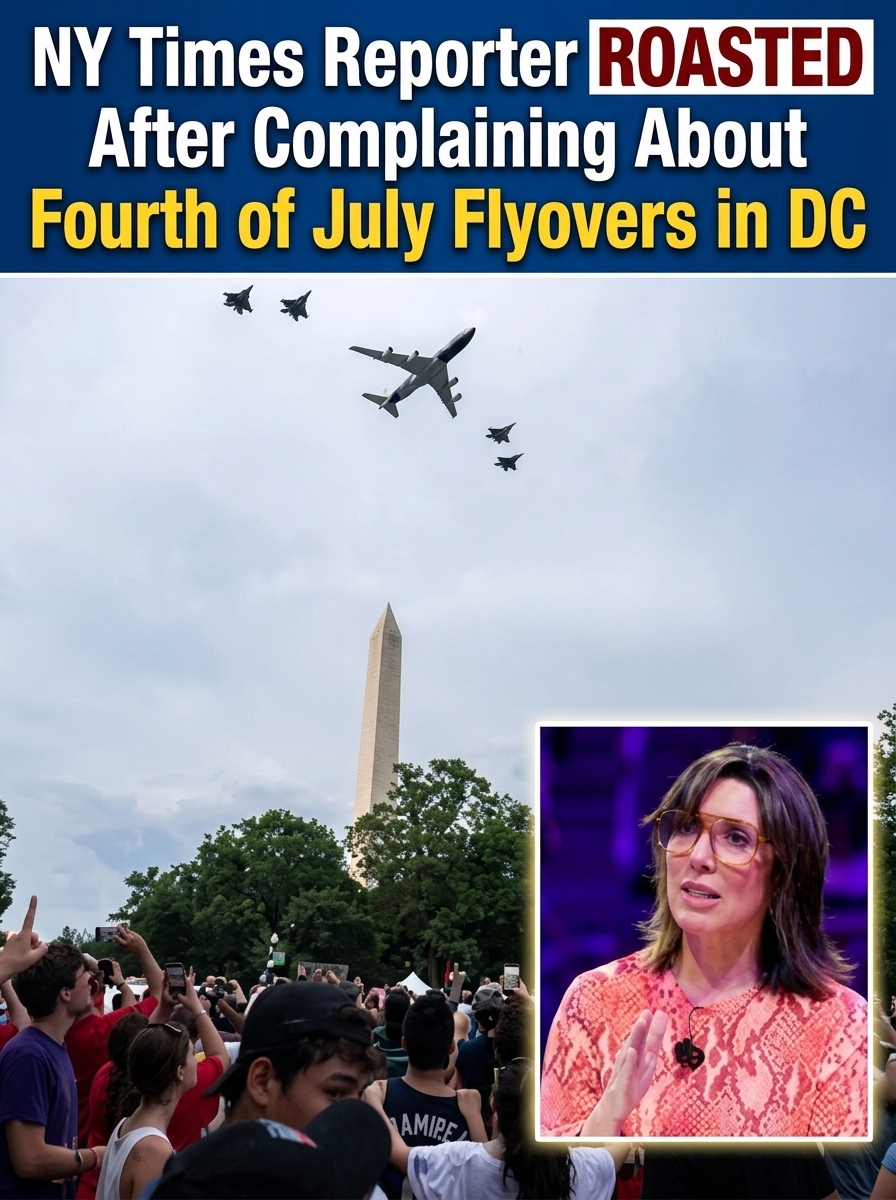
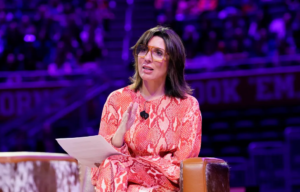
New York Times journalist Lulu Garcia-Navarro became the center of an online debate after criticizing the large number of military flyovers during Washington, DC’s Fourth of July celebrations marking America’s 250th anniversary.
Garcia-Navarro, who co-hosts The Interview for The New York Times, posted on X that the jets flying over DC felt “nerve-wracking” and compared the scene to an apocalyptic atmosphere. Her comments quickly drew criticism from conservative commentators and social media users who saw the flyovers as a patriotic display honoring the nation’s birthday.
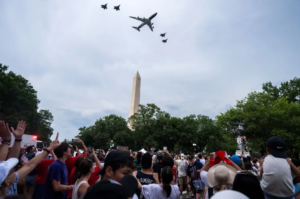
The flyovers were part of the “Salute to America” celebration on the National Mall, a major Independence Day event that included aircraft demonstrations, performances, and a massive fireworks display. According to Freedom 250’s event schedule, aircraft flyovers and demonstrations were planned throughout the afternoon as part of the historic 250th anniversary program.
The New York Post reported that the display included aircraft such as B-2 bombers, Thunderbirds, Ospreys, Golden Knights, NASA F-5s, and Air Force One. The same report said Washington, DC also hosted a record-breaking fireworks show with about 850,000 fireworks launched, far above the city’s usual Fourth of July display.
After receiving backlash, Garcia-Navarro explained that loud jets and fireworks affect her personally because of PTSD from her years covering wars. She also said her niece has auditory processing disorder, adding that people can celebrate America in different ways while still respecting those who struggle with loud sounds.
The controversy highlighted a familiar divide over public patriotic displays. Supporters of the flyovers praised the event as a powerful tribute to American history, military strength, and national pride. Critics, however, argued that loud aerial displays and fireworks can be difficult for veterans, children, people with sensory conditions, and those with trauma-related responses.
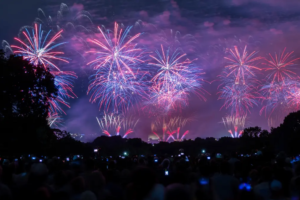
Garcia-Navarro’s comments came during one of the largest Independence Day celebrations in recent memory. The 2026 Fourth of July marked 250 years since the United States declared independence, making the event especially symbolic for many Americans. The National Mall celebration attracted national attention not only for its scale, but also for the political and cultural reactions surrounding it.
While many viewers celebrated the spectacle, the reaction to Garcia-Navarro showed how even holiday traditions can become flashpoints in today’s media environment. For some, the flyovers represented pride and remembrance. For others, they raised questions about noise, trauma, accessibility, and how public celebrations can include people with different experiences.
The debate is likely to continue as cities across the United States consider how to balance large patriotic displays with concerns about public health, veterans’ trauma, pets, children, and residents sensitive to loud noise.