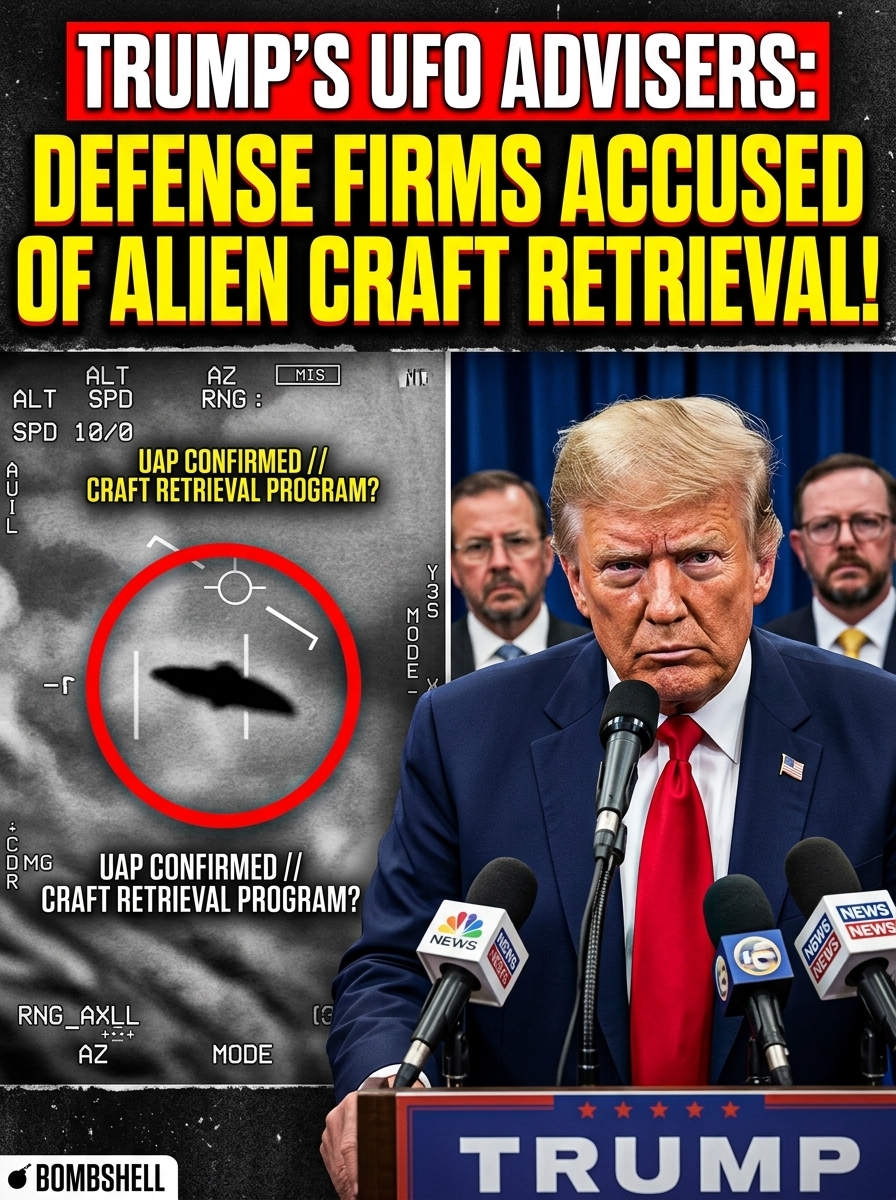
A new wave of UFO disclosure claims is putting major private defense contractors under the spotlight, as Trump administration-linked UFO advisers and lawmakers push for more transparency on unidentified anomalous phenomena, also known as UAPs.
According to a new report, several figures involved in the Trump administration’s UFO disclosure effort are accusing private corporations of playing a role in alleged alien craft-retrieval programs. The claims center on the idea that some recovered materials or technology may have been moved outside direct government control and into the hands of defense contractors.

Avi Loeb, a Harvard astrophysicist and head of Trump’s UAP Science Advisory Council, reportedly discussed the allegations during an appearance on Rep. Eric Burlison’s podcast. Loeb claimed that a former high-level Lockheed Martin executive gave him reason to believe that the company had been connected to a crashed-UFO retrieval program.
Loeb argued that even a small sample of unusual recovered material could be enough to open the door to major scientific investigation. He has said that any credible material should be studied openly and scientifically, especially if it could help answer whether humans are alone in the universe.
Other longtime UFO researchers and former government-linked figures have made similar claims. Hal Puthoff, who was connected to earlier Pentagon UFO research efforts, reportedly alleged that Lockheed Martin was once prepared to transfer materials to the Navy, but that the CIA stopped the move. Luis Elizondo, a former Pentagon UFO program official, has also claimed that unknown craft materials were connected to private contractors.
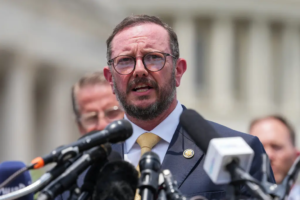
Rep. Eric Burlison, a Republican from Missouri, has been one of the lawmakers pressing for more answers. He has called for documents and information from organizations including MIT-linked laboratories, MITRE Corp., and major contractors such as Northrop Grumman. Burlison and other UFO disclosure advocates argue that Congress should have access to any information involving recovered craft, advanced technology, or unexplained materials.
However, the allegations remain unproven. Lockheed Martin and Northrop Grumman reportedly declined to comment on the claims. The Pentagon’s All-domain Anomaly Resolution Office, known as AARO, has previously stated that it found no verifiable evidence that any UAP sighting represented extraterrestrial activity. AARO has also said it found no verifiable evidence that the U.S. government or private industry has ever had access to extraterrestrial technology.
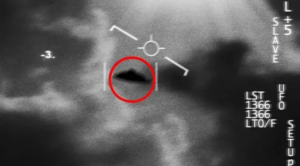
The debate comes at a time of growing public interest in UFOs and UAPs. In recent years, congressional hearings, whistleblower claims, military videos, and Pentagon reports have brought the topic into mainstream political discussion. Some lawmakers say the issue is not only about aliens, but also about national security, government secrecy, and whether Congress has been kept in the dark.
Supporters of UFO disclosure believe private contractors may have been used to shield sensitive programs from public records laws and congressional oversight. Critics, however, argue that many of the claims rely heavily on secondhand accounts, classified rumors, and stories that have not been supported by public evidence.
Loeb’s role in the Trump administration’s UFO advisory effort has also drawn attention. He is known for taking bold scientific positions on possible extraterrestrial technology, including controversial ideas about interstellar objects. Supporters say his scientific background brings seriousness to the investigation. Skeptics say extraordinary claims require extraordinary evidence.
For now, the latest accusations add more pressure to the broader UFO disclosure movement. Lawmakers and advisers are asking defense contractors to cooperate, while government investigators continue to say they have not confirmed evidence of alien technology.
Whether these claims lead to real disclosures or remain part of the long-running UFO mystery, the story shows how the subject has moved from fringe debate into official political conversation. The central question remains the same: are these reports evidence of hidden extraterrestrial technology, secret military programs, or misunderstandings fueled by decades of secrecy?
Until physical evidence is publicly verified, the allegations remain unconfirmed. But the push for transparency is likely to continue as Congress, scientists, and the public demand clearer answers about what the government and private industry may know.