

The Federal Aviation Administration is turning to artificial intelligence in an effort to reduce close calls between planes and vehicles at U.S. Airports. This initiative is part of the Palantir AI Tool to Help FAA Analyze Close Calls at U.S. Airports.
According to reports, the FAA is spending nearly $4 million on an AI initiative with Palantir Technologies, using the company’s Foundry platform to analyze large amounts of aviation safety data.
This project highlights the importance of the Palantir AI Tool to Help FAA Analyze Close Calls at U.S. Airports in ensuring aviation safety.
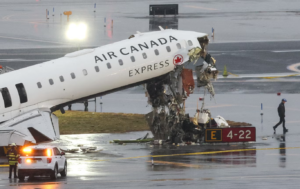
Utilizing the Palantir AI Tool to Help FAA Analyze Close Calls at U.S. Airports
The goal is not to replace air traffic controllers or pilots, but to help officials detect patterns, warning signs and emerging risks before they lead to serious accidents.
The system is expected to pull together data from multiple sources that have historically been separated across different government and aviation systems.
That data may include incident reports, safety records, airport information and other operational material.
FAA officials reportedly believe the tool can help identify problem areas faster by spotting trends that humans may miss when information is scattered across different databases.
The move comes after a series of frightening close calls, runway incursions and aviation safety incidents in the United States.
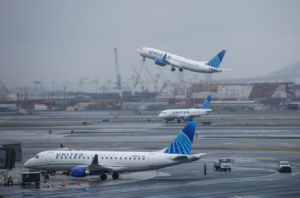
Some incidents involved aircraft coming dangerously close to one another on runways. Others involved airport ground vehicles, equipment visibility and gaps in alert systems.
The concern intensified after deadly and serious incidents raised questions about whether the FAA had enough modern technology to act on warning signs early.
The agency has already launched several efforts to improve safety, including runway safety meetings, lighting upgrades, airport vehicle transponders and broader modernization of air traffic control systems.
In May, the FAA announced it would spend $16.5 million to equip about 1,900 airport vehicles at 264 airports with transponders so controllers can better track them around runways and taxiways.
That decision followed a fatal collision at LaGuardia Airport involving a regional jet and a fire truck that did not have a transponder.
The Palantir AI project is part of a wider push to use data more effectively.

FAA leaders have acknowledged that the problem is not always a lack of data, but the challenge of turning that data into action quickly enough.
Supporters say AI could help aviation officials connect dots faster, prioritize high-risk airports and detect repeating safety problems before they become tragedies.
Critics may question whether a company like Palantir should play such a major role in government safety systems, especially given broader debates about data privacy, surveillance and public-sector AI.
For passengers, the key question is simple: can the technology make flying safer?
FAA officials say human decision-making will remain central. AI is expected to assist analysts, not control airplanes or make final safety decisions.
The effort reflects a larger shift in aviation safety: moving from reacting to accidents after they happen toward predicting risks before they escalate.
If the system works as intended, it could help the FAA spot dangerous patterns earlier, improve runway safety and reduce the kinds of close calls that have alarmed passengers and lawmakers.
But the success of the project will depend on accurate data, strong human oversight and clear rules about how AI recommendations are used.