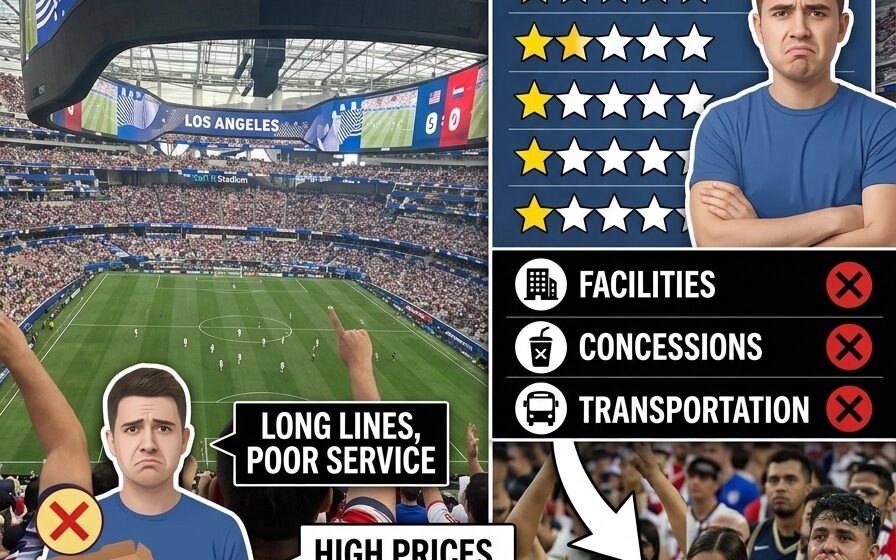

Los Angeles may be one of the biggest entertainment capitals in the world, but a new fan-experience ranking has delivered an embarrassing result for the city’s World Cup image.
According to a recent study by ticketing experts at SeatPick, Los Angeles Stadium — better known outside FIFA branding as SoFi Stadium — ranked last among the 11 U.S. venues hosting matches during the 2026 FIFA World Cup.

The ranking gave the Inglewood venue a fan experience score of just 5.82 out of 10. The study looked at factors including matchday costs, beer and water prices, hotel rates, heat, crime, and mosquito risk.
For a city known for Hollywood glamour, major sports events, celebrity culture, and global tourism, the low ranking is a major blow. Los Angeles is hosting some of the biggest matches of the tournament, and SoFi Stadium has been promoted as one of the most impressive modern sports venues in the United States.
But the ranking suggests that a world-class stadium alone does not guarantee a world-class fan experience.
One of the biggest problems is cost. Attending a World Cup match in Los Angeles can quickly become expensive once fans add up tickets, transportation, food, drinks, parking, hotels, and other travel expenses. SeatPick’s ranking pointed to high matchday costs as one of the reasons Los Angeles finished at the bottom.
Hotel prices are another concern. Los Angeles is already one of the most expensive travel markets in the country, and major events can push accommodation costs even higher. International fans traveling for the World Cup may find that staying near the stadium, near the airport, or in popular parts of the city comes with a heavy price tag.
Transportation has also long been a major issue for Los Angeles. SoFi Stadium is located in Inglewood, close to Los Angeles International Airport, but the wider city is famously car-dependent. Fans who choose to drive may face traffic, long travel times, and expensive parking. Earlier reports also raised concerns about steep World Cup parking prices in Los Angeles.
Public transportation may help, but it does not completely remove the challenge. LA Metro has added special services for the tournament, and many fans have used buses and trains to reach World Cup events. Officials have promoted these options as cheaper and easier alternatives to driving.
Still, for visitors unfamiliar with the city, navigating the Los Angeles region can be intimidating. Unlike some World Cup cities with stadiums located in walkable downtown areas, Los Angeles requires more planning, especially for fans staying far from Inglewood.
The ranking also included environmental and comfort factors, such as heat and mosquito risk. Southern California summer weather can be pleasant compared with hotter host cities, but fans still face sun, long outdoor waits, and travel discomfort during peak event periods.
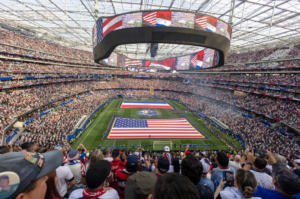
The poor ranking does not mean SoFi Stadium itself is a bad venue. In fact, the stadium is widely praised for its design, scale, roof structure, video board, premium seating, and ability to host huge international events. It has already hosted the Super Bowl, major concerts, international soccer matches, and other global entertainment events.
For World Cup purposes, however, fan experience goes beyond architecture. It includes affordability, accessibility, safety, weather comfort, food and drink prices, hotels, and the overall ease of attending a match.
That is where Los Angeles appears to struggle in the ranking.
The result also highlights a larger issue for the 2026 World Cup across the United States. Many American stadiums are built for cars and parking lots rather than walkable fan culture. In cities where public transit is limited or stadiums are far from downtown areas, international supporters may find the experience very different from World Cups held in more compact urban environments.
By contrast, stadiums with easier transit access, cheaper food, lower hotel costs, and milder conditions performed better in the ranking. Gillette Stadium in Foxborough, Massachusetts, was ranked highest, while venues in Kansas City and Atlanta also received strong marks.
Los Angeles officials and tournament organizers will likely push back against the negative ranking by pointing to the city’s global appeal, cultural diversity, tourist attractions, entertainment scene, and growing public transit plans for major events.

They may also argue that the actual match atmosphere has been strong. Recent reports from Los Angeles showed many fans using public transit, gathering at fan zones, and creating a festive World Cup environment around the city.
That creates a more balanced picture. Los Angeles may be expensive and difficult to navigate, but it also offers star power, a modern stadium, global attention, and one of the most recognizable city brands in the world.
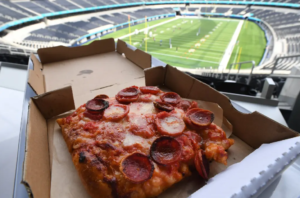
For fans, the lesson is simple: attending a World Cup match in Los Angeles can be exciting, but preparation is essential. Visitors should book hotels early, compare transit options, avoid relying only on parking, budget for high food and drink prices, and allow extra time to reach the stadium.
The ranking may be embarrassing for Los Angeles, but it could also serve as a warning. Hosting the World Cup is not only about building spectacular venues. It is about making the event comfortable, affordable, and accessible for ordinary fans.
As the tournament continues, Los Angeles still has time to prove that its World Cup experience is better than the ranking suggests. But for now, the city’s last-place score has raised real questions about whether glamour can overcome cost, congestion, and convenience problems.