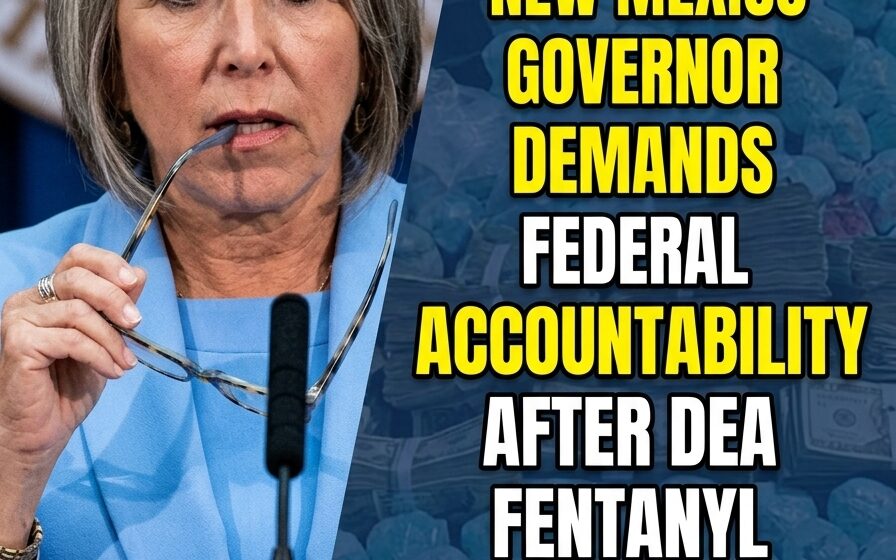

New Mexico Governor Michelle Lujan Grisham is demanding federal accountability after allegations that Drug Enforcement Administration agents allowed large fentanyl shipments to reach local communities while pursuing bigger trafficking cases.
The controversy follows an Associated Press investigation that found DEA agents repeatedly monitored, but did not immediately seize, fentanyl shipments moving through New Mexico between 2023 and 2025. The alleged strategy was intended to help build cases against higher-level drug trafficking organizations, but state officials say it may have exposed New Mexico residents to deadly drugs.
Lujan Grisham said the state could seek billions of dollars in civil damages, arguing that New Mexico has spent enormous public resources responding to the fentanyl crisis. Those costs include law enforcement operations, addiction treatment, behavioral health services, overdose prevention, emergency response, and broader public safety efforts.
The governor called the situation a stunning failure by the federal government and said she would take the issue to the White House and Congress. She also demanded reforms to ensure that similar federal drug operations are not used again in New Mexico or anywhere else.
The allegations are serious because fentanyl is one of the deadliest drugs in the United States. Even a tiny amount can be fatal, and the DEA itself has long warned the public through its “One Pill Can Kill” campaign. That message has made the allegations even more explosive: critics say an agency warning about the danger of fentanyl should not allow suspected fentanyl shipments to continue moving through communities.
New Mexico officials say the state has been hit especially hard by the fentanyl epidemic. While overdose deaths have declined nationally, New Mexico saw a sharp increase, making the state’s anger over the DEA allegations even stronger.
The DEA has denied that public descriptions of its conduct are accurate. The agency has said that claims suggesting it knowingly allowed fentanyl to reach communities mischaracterize the facts. The DEA has also argued that law enforcement sometimes must make difficult operational decisions in order to dismantle larger criminal networks, not just intercept individual drug shipments.
However, the controversy has already moved beyond political criticism. New Mexico Attorney General Raúl Torrez has opened a criminal investigation into whether federal agents violated state law. Torrez said federal agents are not above the law and that his office will seek documents and information about the DEA’s conduct in New Mexico and possibly nationwide.
The Justice Department’s inspector general has also been asked to review the allegations. DEA Administrator Terry Cole requested the internal watchdog investigation, saying the claims had raised questions about operational decisions, supervisory oversight, and the agency’s response to concerns.
One of the central figures in the controversy is David Howell, a former DEA agent and whistleblower. Howell reportedly warned internally that the strategy of letting fentanyl shipments continue moving was dangerous. According to AP reporting, he described the approach as one that risked public safety in order to build bigger cases.
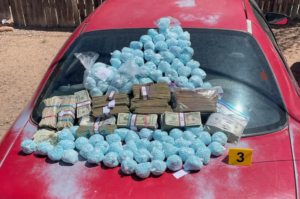
One example cited in reports involved a 2023 delivery of about 74,000 fentanyl pills to a mobile home park in Albuquerque. Another involved a much larger shipment that agents allegedly knew about but did not intercept. These claims have fueled outrage among state and local officials.
The governor has also criticized both the Biden and Trump administrations, saying the problem crossed political lines and that New Mexico did not receive enough federal help while communities suffered. The White House has blamed earlier border policies and emphasized that President Trump has taken steps to combat fentanyl, including classifying it as a major national security threat.

For local leaders in Albuquerque, the issue is deeply personal. Mayor Tim Keller said fentanyl is one of the city’s biggest challenges and has contributed to crime, homelessness, addiction, and pressure on health care systems.
The legal questions may be complicated. Federal agents have protections when acting in their official roles, and prosecutors would need to determine whether any actions crossed legal boundaries. But politically, the outrage is already clear.
The case also raises a larger debate about drug enforcement strategy. Federal agencies often try to build cases against major traffickers rather than only arrest low-level dealers. Supporters of that approach say long-term investigations can dismantle bigger criminal organizations and prevent more drugs from entering the country over time.
Critics argue that fentanyl is different because it is so deadly. They say allowing fentanyl shipments to continue moving, even for investigative reasons, is too dangerous because the drug can kill quickly once it reaches the street.
That debate is now at the center of New Mexico’s confrontation with the federal government.
It is not yet clear whether any specific overdose deaths can be directly tied to the DEA’s alleged strategy. Officials have not publicly proven that a particular fatal overdose came from a shipment that agents monitored but did not seize. Still, state leaders say the risk alone was unacceptable.
The controversy could lead to congressional hearings, federal policy changes, civil claims, or new restrictions on how law enforcement agencies handle fentanyl investigations. Lujan Grisham has called for Congress to prevent similar tactics and require the federal government to reimburse states for costs created by risky federal operations.
For families affected by the fentanyl crisis, the political and legal arguments may feel secondary. Many want answers about why deadly pills were allowed to move through communities and whether lives could have been saved.
For New Mexico, the demand is now clear: accountability, transparency, and compensation for the damage state leaders say the federal government helped create.
Whether those demands lead to reparations, lawsuits, criminal charges, or policy reforms will depend on what investigators uncover next.