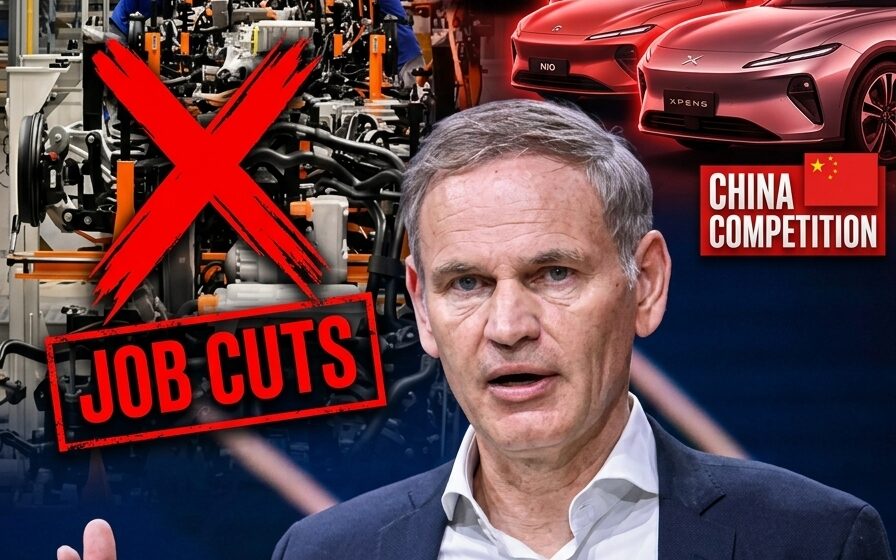

Volkswagen is facing one of the most dramatic restructuring moments in its history as the German auto giant weighs deeper job cuts, possible factory closures, and a major strategic reset in response to fierce competition from China’s fast-growing electric vehicle makers.
The company is reportedly considering cutting as many as 100,000 jobs over the coming years and shutting up to four German factories. If carried out, the plan could become one of the largest restructurings ever seen in the global auto industry.
The pressure on Volkswagen has been building for years. Once dominant in China, the world’s largest car market, VW has lost ground to local rivals such as BYD, Geely, Chery, and other Chinese brands that have moved faster in electric vehicles, plug-in hybrids, software, and lower-cost manufacturing.
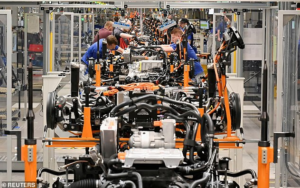
Volkswagen’s traditional model — designing vehicles in Germany, producing them across Europe, and exporting them around the world — is now under serious strain. Chinese automakers are producing competitive electric cars at lower prices, while European demand remains weak and U.S. tariffs have added billions in extra costs.
The result is a painful reality for Europe’s largest automaker: the business model that carried Volkswagen for decades no longer works in the same way.
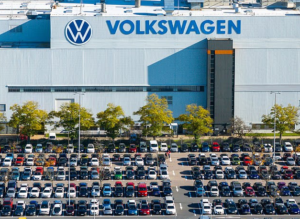
Reports say the factories under discussion include major German sites such as Hanover, Zwickau, Emden, and Audi’s Neckarsulm plant. Closing those sites could put tens of thousands of jobs at risk and would likely trigger strong resistance from unions, workers, politicians, and regional governments.
Volkswagen’s powerful works council and IG Metall union are expected to fight any deep cuts. The state of Lower Saxony, a major shareholder in Volkswagen, also has political influence over the company and has traditionally resisted plant closures.
That makes the restructuring extremely sensitive. Volkswagen is not only a business symbol; it is part of Germany’s industrial identity. Any large-scale job cuts would be felt far beyond the company’s balance sheet.

The company has already agreed to major workforce reductions, but management reportedly believes the current plan is not enough. Volkswagen executives have told worker representatives that previously agreed job cuts may be insufficient to restore competitiveness.
The problem is especially clear in China. Volkswagen has lowered its long-term China sales target and reduced profit expectations as local competition intensifies. The company now expects to sell up to 3.2 million vehicles annually in China by 2030, down from a previous target of as many as 4 million.
Volkswagen has also reduced its production capacity in China by about 1.5 million units since 2023. Several vehicle and engine plants have reportedly been sold, closed, or repurposed, including sites in Nanjing and Urumqi, while one of the company’s older facilities in Anting has been scaled back.
Staffing in China has also fallen sharply. Reports say Volkswagen’s China workforce has been reduced from about 90,000 employees to around 70,000.
These numbers show how much the market has changed. For decades, China was a profit engine for German carmakers. Now it has become one of their toughest battlegrounds.
Chinese EV makers have gained an advantage by moving quickly on batteries, software, in-car technology, and affordable electric models. Many Chinese consumers now prefer domestic brands that offer advanced features at lower prices. That shift has hurt legacy automakers that were slower to localize products and adapt to new consumer expectations.
Volkswagen is trying to respond with a new China-focused strategy. The company has launched new electric models under its VW, Jetta, and Audi brands and is trying to build more vehicles specifically designed for Chinese buyers.
But catching up will not be easy. China’s EV market moves quickly, and local companies can develop, test, and launch vehicles faster than traditional European manufacturers. Price competition is also intense, making it harder for Volkswagen to protect margins.
The company is also facing pressure in Europe. Demand has been soft, costs remain high, and the transition from combustion engines to electric vehicles has been expensive. Volkswagen has invested heavily in EVs, software platforms, batteries, and new production lines, but the returns have been uneven.
Meanwhile, U.S. tariffs have added another challenge. Volkswagen has said tariffs and global trade pressures have created major financial burdens. The company’s operating profit more than halved in 2025, reflecting the depth of the pressure facing the group.
For investors, the restructuring may look necessary. Volkswagen’s share price has come under pressure as analysts question whether the company can move fast enough to compete with Chinese rivals and protect profitability.
For workers, the situation is much more painful. Factory closures and mass job cuts would affect families, towns, supply chains, suppliers, and entire industrial regions.
The restructuring debate also raises a bigger question for Europe: can legacy automakers compete with China in the EV era without sacrificing huge numbers of jobs?
Volkswagen is not alone. Other European carmakers are also cutting costs, rethinking product strategies, and facing pressure from Chinese competition. But VW’s size makes its problems especially important. The company employs hundreds of thousands of people across brands including Volkswagen, Audi, Porsche, Skoda, Seat, Cupra, Bentley, and Lamborghini.
If Volkswagen moves ahead with drastic cuts, it could mark a turning point for the global car industry. The old era of European dominance in mass-market vehicles may be giving way to a tougher, faster, more price-sensitive EV market led increasingly by Asia.
For Volkswagen, the challenge is clear: cut costs without destroying its industrial base, rebuild strength in China, compete with cheaper EV rivals, and convince workers, investors, and customers that it still has a strong future.
The coming months will be critical. A supervisory board discussion is expected to be a major moment in deciding how far Volkswagen’s restructuring will go.
Whether the final plan includes 100,000 job cuts, four factory closures, or a smaller compromise, the message is already clear: Volkswagen is under historic pressure, and China’s rise has changed the global auto industry forever.