
Large numbers of giant lion’s mane jellyfish are appearing along New England beaches, prompting warnings as the creatures can deliver painful stings even after death.
Article
Beachgoers across New England are being urged to stay alert as unusually large numbers of lion’s mane jellyfish appear along the coastline, creating concern for swimmers, children, and pets during the busy summer season.
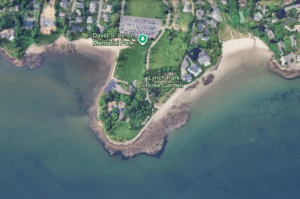
Sightings have been reported across parts of Massachusetts, including the Nahant peninsula, Salem, Cape Cod, Manchester-by-the-Sea, and South Boston. Experts told the New York Post that the current concentration is the largest phenomenon of its kind in the region since 2020.
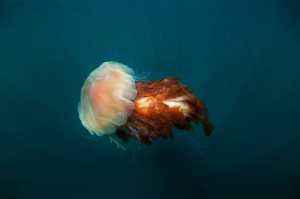
The lion’s mane jellyfish is one of the largest jellyfish species in the world. Some specimens can grow several feet across, while exceptionally large individuals have tentacles stretching more than 100 feet. Their long, nearly invisible tentacles contain stinging cells that can cause painful reactions when they come into contact with human skin.
Thousands Reported in Some Coastal Areas
The influx has been particularly noticeable along the Massachusetts coast. The New York Post reported that social media users and local tour operators have described huge concentrations of the jellyfish, including reports of thousands being swept into marsh areas around Cape Cod by the tides.
NBC10 Boston also reported increased numbers of lion’s mane jellyfish along the North Shore and Cape Cod, with the creatures seen littering the beach at Manchester-by-the-Sea.
Officials have issued warnings urging people not to touch the jellyfish or their detached tentacles, even when they appear dead. According to the New York Post report, lion’s mane jellyfish tentacles have been known to retain the ability to sting for as long as 25 days after the animal dies.
This means that jellyfish washed onto the sand can still pose a risk to curious beachgoers, especially children and pets.

Swimmers Have Already Reported Stings
The Boston Center for Youth and Families warned of jellyfish at the beach near the BCYF Curley Community Center in South Boston after some swimmers were reportedly stung. Beachgoers were advised to enter the water at their own risk.
Although most lion’s mane jellyfish stings are not life-threatening, they can be painful and may cause skin irritation. More serious reactions are possible, especially for people with allergies or heightened sensitivity to venom.
Why Are So Many Jellyfish Appearing?
Experts say jellyfish concentrations can be difficult to predict because many environmental factors may influence where and when they appear.
Water temperature, ocean currents, wind patterns, food availability, and tides can all play a role in moving jellyfish closer to shore and into swimming areas. A New England Aquarium expert told the New York Post that the number of variables involved makes forecasting these events particularly difficult.
Lion’s mane jellyfish are also not strangers to the region. They naturally occur in the colder waters of the Gulf of Maine and have previously been spotted along the coasts of Maine, New Hampshire, and Massachusetts.
What has made the summer of 2026 notable is the unusually high concentration reported in some coastal areas.
What Should You Do If You Are Stung?
Anyone who encounters a lion’s mane jellyfish should avoid touching it with bare skin, whether the creature is alive or dead.
For general jellyfish sting first aid, the Mayo Clinic recommends carefully removing visible tentacles with fine tweezers and immersing the affected skin in hot—but not scalding—water until the pain improves, which may take 20 to 45 minutes. The Mayo Clinic also advises against using urine, cold fresh water, alcohol, or rubbing the affected area with a towel.
Anyone experiencing severe symptoms, such as difficulty breathing or a serious allergic reaction, should seek emergency medical attention immediately.
A Striking but Potentially Painful Summer Visitor
Despite their intimidating appearance and painful sting, lion’s mane jellyfish are a natural part of the North Atlantic marine ecosystem. Their reddish or orange bells and masses of flowing tentacles can make them spectacular to observe from a safe distance.
For New England beachgoers, the key message is simple: look, but do not touch.
With unusually large numbers appearing along the coast this summer, swimmers should pay attention to local beach warnings, follow lifeguard instructions, supervise children closely, and keep pets away from stranded jellyfish and detached tentacles.