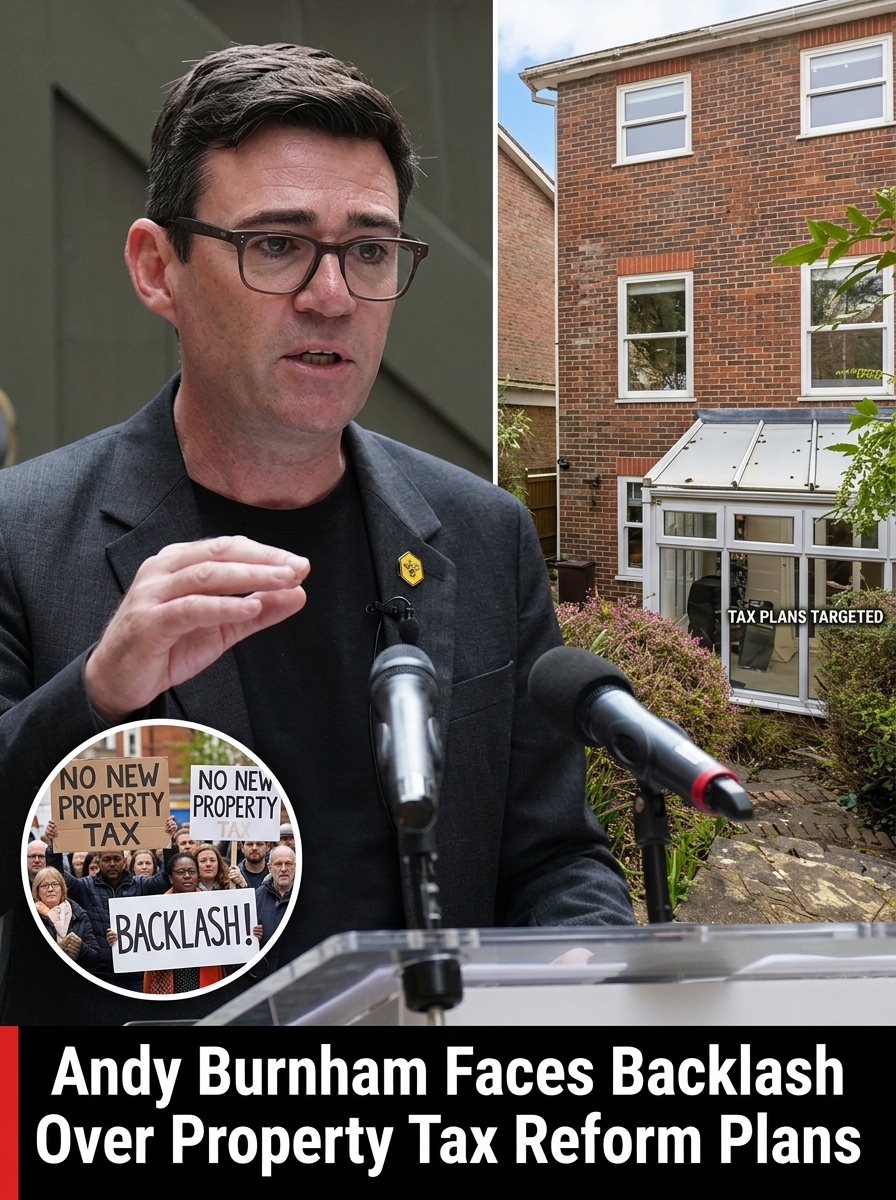
Andy Burnham is facing criticism over property tax reform ideas that opponents say could increase bills for middle-class homeowners, particularly families living in higher-value homes in London and the South East.
The debate comes as Burnham’s wider tax agenda attracts new attention in British politics. Reports have linked him to proposals that would overhaul the current council tax and stamp duty system, replacing them with a tax based more directly on property or land value.

Supporters of reform argue that the current council tax system is outdated and unfair because homes in England are still placed into council tax bands based on property values from April 1991. This means some households in cheaper areas can pay a higher share of their property value than owners of expensive homes in wealthier areas.
However, critics warn that replacing the system with a new property-value-based tax could hit many homeowners with larger annual bills. The concern is strongest in areas where house prices have risen sharply over the past three decades, including parts of London, Surrey, Hertfordshire, and the wider South East.
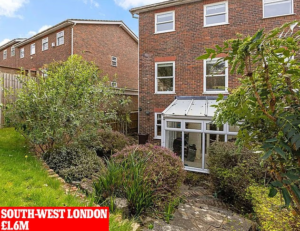
One proposal often discussed in connection with Burnham is a proportional property tax, promoted by the Fairer Share campaign. Under that model, council tax and stamp duty would be replaced by an annual charge based on a home’s current value. The campaign has proposed a 0.48% rate for ordinary homes and a higher 0.96% rate for second homes, empty homes, and foreign-owned properties.
Fairer Share argues that most households would pay less under its plan, while more expensive properties would contribute more. The group also says any immediate increase would be capped during the transition, so homeowners would not face a sudden unlimited jump in bills.
But opponents describe the idea as a potential “homes tax raid,” saying it could create four-figure increases for families who are asset-rich but not necessarily cash-rich. Older homeowners, long-term residents, and families whose homes have risen in value over many years could be among those most worried about the change.
The controversy also overlaps with the UK government’s planned “mansion tax,” officially known as the High Value Council Tax Surcharge. That policy is due to begin in April 2028 and will apply to homes in England valued at more than £2 million. It will add an annual charge on top of existing council tax.
Critics fear that lowering the threshold or expanding similar property surcharges could pull many more households into the tax net. Supporters argue that high-value property owners should pay more to help fund public services and reduce unfairness in the existing system.
Burnham has previously spoken in favor of major reform to local taxation and has criticized the current council tax system as regressive. He has also shown interest in land value tax ideas, which would shift more of the tax burden onto land and property wealth rather than income or transactions.

The political risk is clear. Any attempt to reform council tax, stamp duty, or high-value property taxes could create winners and losers. Lower-value regions may benefit, while homeowners in expensive areas could face higher bills.
For now, no final national policy has been formally introduced by Burnham. But the debate shows how sensitive property tax reform remains in the UK, especially when it affects family homes, retirement plans, and the already expensive housing market.