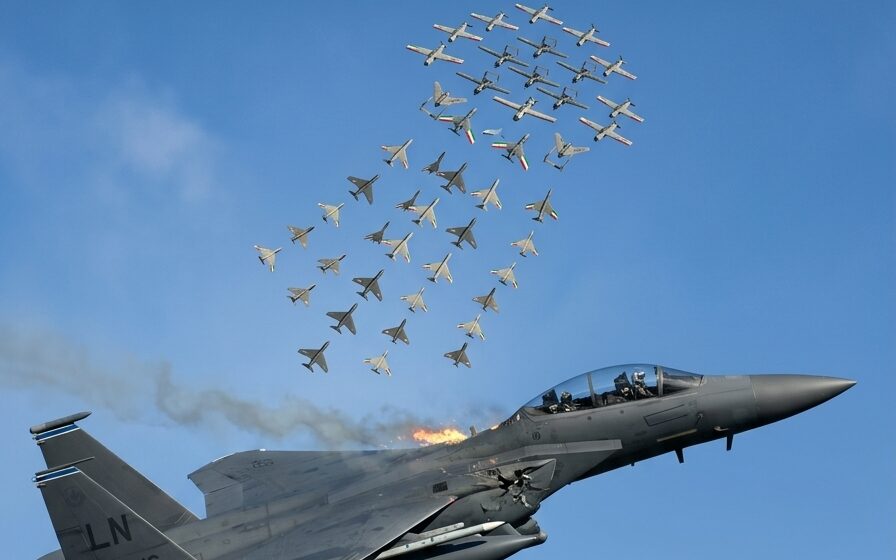

A U.S. fighter pilot rescued after being shot down over Iran reportedly described seeing Iranian drones, specifically the Downed US Pilot Reportedly Saw Iranian Drones Flying in “Jellyfish” Formation Before Ejecting, moving in a strange “jellyfish” formation shortly before he ejected from his aircraft. This incident has been labeled as the ‘Downed US Pilot Reportedly Saw Iranian Drones Flying in “Jellyfish” Formation Before Ejecting’.
Downed US Pilot Reportedly Saw Iranian Drones Flying in “Jellyfish” Formation Before Ejecting
The pilot was flying an F-15E Strike Eagle in April when Iranian forces opened fire and brought down the jet, according to reports. The incident triggered a major rescue effort after both crew members ejected over hostile territory.
Sources familiar with the pilot’s debriefing said he described multiple drones hovering and moving together in a coordinated pattern. The formation was reportedly compared to a jellyfish, with drones appearing to operate as one system rather than as separate aircraft.
The Downed US Pilot Reportedly Saw Iranian Drones Flying in “Jellyfish” Formation Before Ejecting suggests a significant leap in drone technology.
The unusual account has drawn attention from defense analysts because, if accurate, it could suggest a more advanced Iranian drone-swarm capability than previously understood.
Drone swarms are considered one of the most important emerging threats in modern warfare. Instead of relying on one aircraft or missile, a swarm can involve multiple unmanned systems operating together to confuse radar, overwhelm defenses or create dangerous obstacles for pilots.
The pilot reportedly described the scene as almost “alien” because of the way the drones moved together. Officials have not publicly confirmed whether the drone formation directly caused the F-15E to be shot down, and the incident remains under review.
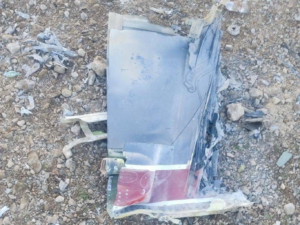
The aircraft’s pilot was rescued within hours, but the weapons systems officer endured a much longer escape after landing in Iran’s Zagros Mountains. Reports say he evaded capture for more than a day before U.S. special operations forces recovered him.
This dramatic encounter involving the Downed US Pilot Reportedly Saw Iranian Drones Flying in “Jellyfish” Formation Before Ejecting continues to gain traction in military discussions.
The rescue operation has been described as one of the most dramatic moments of the conflict. U.S. forces reportedly used intelligence assets, air support and special operations teams to locate and extract the missing crew member before Iranian forces could capture him.
The report has also renewed debate over Iran’s growing drone program. Tehran has invested heavily in unmanned aircraft and has supplied drone technology to allied groups and partners in the region. Military experts say Iran’s drone strategy is designed to offset U.S. advantages in conventional air power.
As the Downed US Pilot Reportedly Saw Iranian Drones Flying in “Jellyfish” Formation Before Ejecting unfolds, analysts are keen to understand its implications.
Some analysts believe a “jellyfish” formation could involve a larger drone acting as a command or coordination platform for smaller drones below it. Others caution that more evidence is needed before drawing firm conclusions about what the pilot saw.
The Downed US Pilot Reportedly Saw Iranian Drones Flying in “Jellyfish” Formation Before Ejecting may indicate a shift in aerial combat dynamics.
The incident comes as drones continue changing the battlefield around the world. Conflicts in Ukraine, the Middle East and the Red Sea have shown how low-cost unmanned systems can threaten expensive aircraft, ships and military bases.
For the United States, the reported sighting raises serious questions about how pilots and air-defense systems should respond to coordinated drone formations. Traditional air combat was built around jets, missiles and radar systems, but drone swarms create a different type of threat.
The findings from the Downed US Pilot Reportedly Saw Iranian Drones Flying in “Jellyfish” Formation Before Ejecting could reshape defense strategies.
Defense officials are expected to continue studying the pilot’s account, recovered intelligence and any available sensor data from the mission. The goal will be to determine whether Iran used a new capability or a known drone system in an unusual way.
For now, the “jellyfish” drone report remains one of the most striking details to emerge from the April shootdown. Whether it proves to be a breakthrough in Iranian drone technology or a battlefield anomaly, it highlights how rapidly aerial warfare is changing.
The incident surrounding the Downed US Pilot Reportedly Saw Iranian Drones Flying in “Jellyfish” Formation Before Ejecting remains a topic of fascination among military experts.
Image Alt Text: Illustration of Iranian drones flying in a jellyfish-like formation before a U.S. F-15E pilot ejected over Iran.
Tags: Iran, US Air Force, F-15E, Drone Swarm, Jellyfish Drones, Military News, Defense Technology, Middle East, World News
In conclusion, the Downed US Pilot Reportedly Saw Iranian Drones Flying in “Jellyfish” Formation Before Ejecting offers a glimpse into future aerial threats.