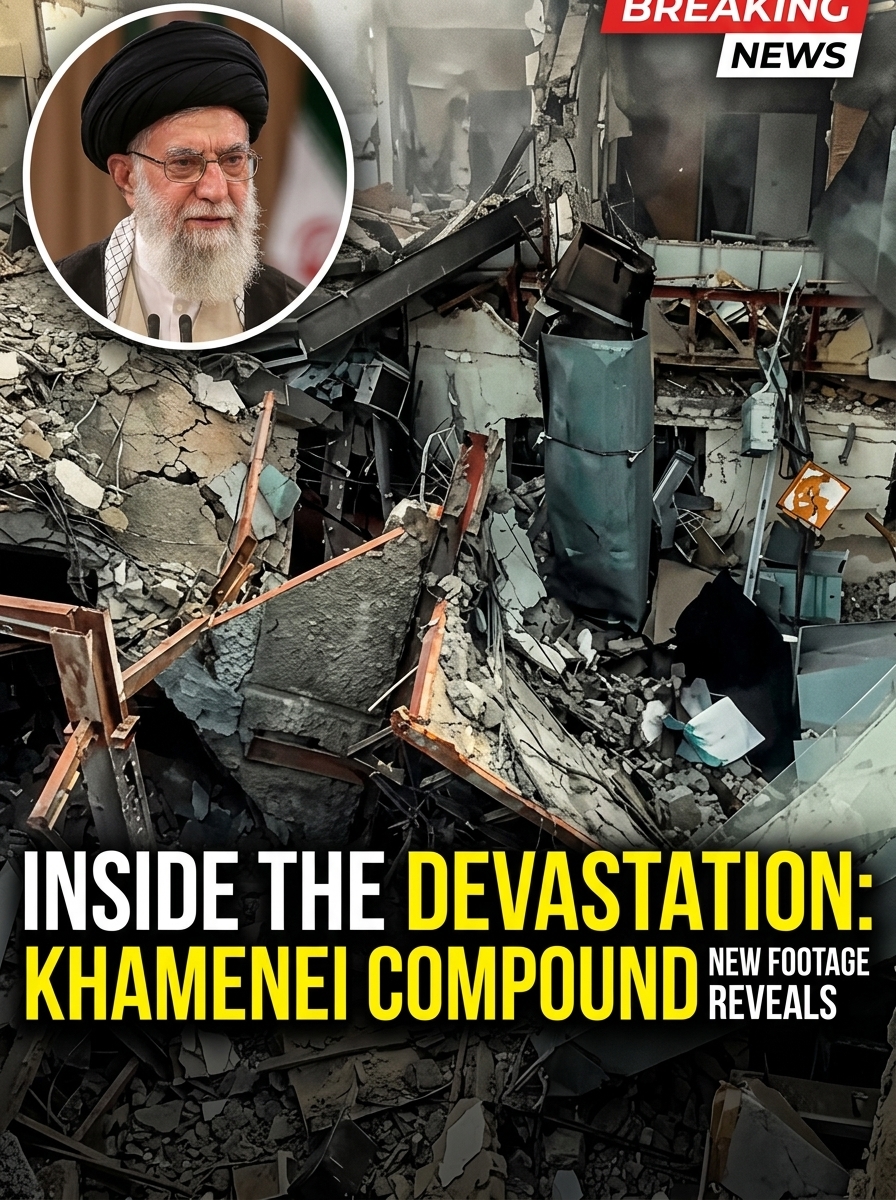
Newly released footage has provided a dramatic look inside the heavily damaged Tehran compound where Iran’s longtime Supreme Leader, Ayatollah Ali Khamenei, was killed during a major US-Israeli airstrike earlier this year.
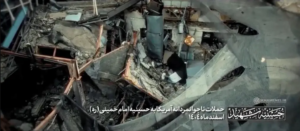
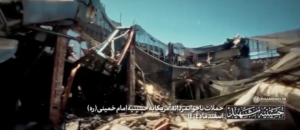
The video, released by Iranian authorities, shows extensive destruction throughout the compound, including collapsed walls, exposed support beams, twisted metal and debris scattered across areas once used by Khamenei for meetings and official activities.
The strike took place on February 28, 2026, at the beginning of a major escalation involving Iran, the United States and Israel. Khamenei, who had led Iran since 1989, was killed in the attack at age 86.
Inside the Ruins of Khamenei’s Compound
The newly published footage offers one of the clearest public views yet of the damage left behind by the strike.
Rooms that once served as meeting spaces have been reduced to rubble, while parts of the interior appear completely gutted. Broken structural elements and destroyed furnishings can be seen throughout the site.
According to reports, the compound had been a central location for Khamenei’s political and religious activities during his nearly 37 years as Iran’s supreme leader.
The release of the footage comes as Iran continues to mourn the former leader during an extended funeral procession and burial ceremony that has drawn huge crowds across the country.
Khamenei Killed in February 28 Strike
Khamenei was killed during a coordinated military operation on February 28, when US and Israeli forces carried out strikes targeting Iranian leadership and military sites.
According to reports at the time, intelligence had identified Khamenei’s location before the precision strike on the Tehran compound. Israeli officials said numerous other senior Iranian figures were also killed during the operation.
His death marked a historic turning point for the Islamic Republic. Khamenei had held Iran’s highest political and religious office since 1989 and played a dominant role in shaping the country’s domestic policies, foreign relations and confrontation with the United States and Israel.
Following his death, his son Mojtaba Khamenei emerged as his successor. However, Mojtaba has remained largely out of public view, with reports indicating that he was injured during the same attack that killed his father and other family members.
Huge Crowds Gather to Mourn Iran’s Former Leader
The release of the compound footage coincided with major funeral ceremonies for Khamenei.
Hundreds of thousands of mourners gathered in Tehran before his coffin was transported through several cities as part of an extended mourning period. The final burial was scheduled in Mashhad, one of Iran’s most important religious cities.
The funeral events have unfolded under intense security amid an increasingly dangerous regional conflict.
Iran has launched attacks against US military assets in Gulf states, while American forces have continued carrying out airstrikes against targets inside Iran. The escalating confrontation has affected countries including Kuwait, Qatar, Bahrain and Jordan.
Conflict Escalates as Ceasefire Collapses
The publication of the footage comes as a fragile ceasefire between Washington and Tehran has collapsed.
US President Donald Trump announced that a temporary truce arrangement was over following renewed attacks and growing tensions surrounding the Strait of Hormuz, a strategically vital shipping route for global energy markets.
The United States has carried out new waves of strikes against Iranian military targets, while Iran has responded with missile attacks directed at US military infrastructure across the Gulf region.
Iranian authorities have also maintained that the Strait of Hormuz will remain under their control and have warned of retaliation against further American military action.
The rapidly changing situation has raised concerns about the possibility of a wider regional war.
A Powerful Symbol of Iran’s Changing Political Era
The destruction of Khamenei’s compound carries significant symbolic importance.
For decades, the site represented the center of power for one of the Middle East’s most influential and controversial political leaders. Khamenei governed Iran through periods of war, sanctions, domestic protests, nuclear disputes and repeated confrontations with Western governments.
Now, footage of the compound in ruins serves as a stark reminder of how dramatically Iran’s political and military landscape has changed since the February 28 attack.
As Iran enters a new era under Mojtaba Khamenei, the country faces enormous challenges, including an intensifying military confrontation with the United States, severe economic pressure, internal political divisions and uncertainty over future nuclear negotiations.
The devastated compound, once a center of authority for nearly four decades, has become one of the most powerful images of a conflict that continues to reshape Iran and the wider Middle East.