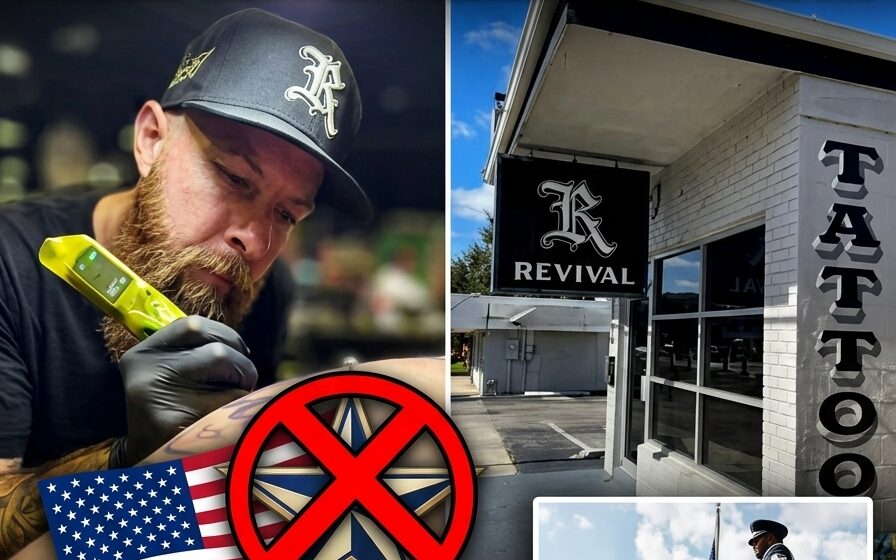

A Florida tattoo shop is facing heavy online backlash after a social media post said active-duty military members and veterans are not welcome at the business.
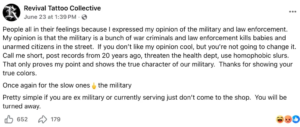
Revival Tattoo Collective, a tattoo studio based in Largo, Florida, became the center of controversy after a post from the shop criticized the military and law enforcement while telling former and current service members not to come to the studio.
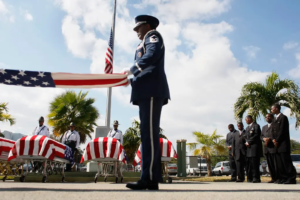
The post, reportedly made on June 23, expressed strong anti-military and anti-police views and said people with current or past military service would be turned away. The comments quickly spread across social media, drawing anger from veterans, military families, law enforcement supporters, and other online users.
Many critics accused the shop of unfairly judging millions of service members and veterans based on broad political views. Some commenters argued that military members come from many backgrounds and should not all be labeled or rejected as a group.
Others defended the shop owner’s right to express personal opinions, while also saying that public statements can bring public consequences. The controversy has since become a wider debate about free speech, private business rights, customer service, and respect for military service.
The shop’s founder, Brady Martinson, is listed on Revival Tattoo Collective’s website as a tattooist and sign painter who specializes in script, blackletter, and custom typography. The studio describes itself as a custom tattoo shop offering styles including color realism, traditional work, lettering, and sign painting.
After the backlash grew, a spokesperson for the shop reportedly told Fox News Digital that the studio was already booked and could not take clients, military or civilian. The statement did not appear to calm criticism online, as many people continued posting negative comments and reviews.
The incident has sparked a sharp divide. Supporters of the military called the post disrespectful and offensive, especially toward veterans who served in dangerous conditions or returned home with physical and emotional injuries. Some said they would never support a business that rejects veterans.
At the same time, some online users supported the shop’s political stance, arguing that businesses and artists should be allowed to decide who they work with and what values they publicly support.
The legal questions around the controversy are more complicated. Private businesses can generally express political opinions, but public accommodation laws can restrict certain types of service denial based on protected categories. Florida law protects people in public accommodations from discrimination based on categories such as race, color, national origin, sex, pregnancy, disability, familial status, or religion. Military or veteran status is not listed in that specific Florida public accommodation statute.
However, legal experts often warn that business owners should be careful when publicly refusing service to broad groups, because the facts of each situation can matter. A veteran with a disability, for example, may be protected under disability discrimination laws even if veteran status itself is not the basis of the claim.
For Revival Tattoo Collective, the backlash may be more immediate than any legal question. Online reputation can strongly affect small businesses, especially service-based studios that rely on customer trust, word of mouth, and social media visibility.
Tattoo shops are often personal spaces where customers choose artists based on comfort, style, and shared trust. Because of that, public political statements can quickly influence whether people feel welcome or unwelcome.
The controversy also reflects a larger national divide over the military, policing, protest culture, and how businesses use social media. In an era where a single post can spread widely within hours, small local businesses can suddenly become part of a national debate.
For now, Revival Tattoo Collective remains under intense scrutiny as supporters and critics continue reacting online. The situation shows how quickly a business statement can become a viral controversy, especially when it involves military service and public respect for veterans.
Whether the backlash fades or continues, the shop’s message has already made it one of the most talked-about tattoo studios in the country this week.