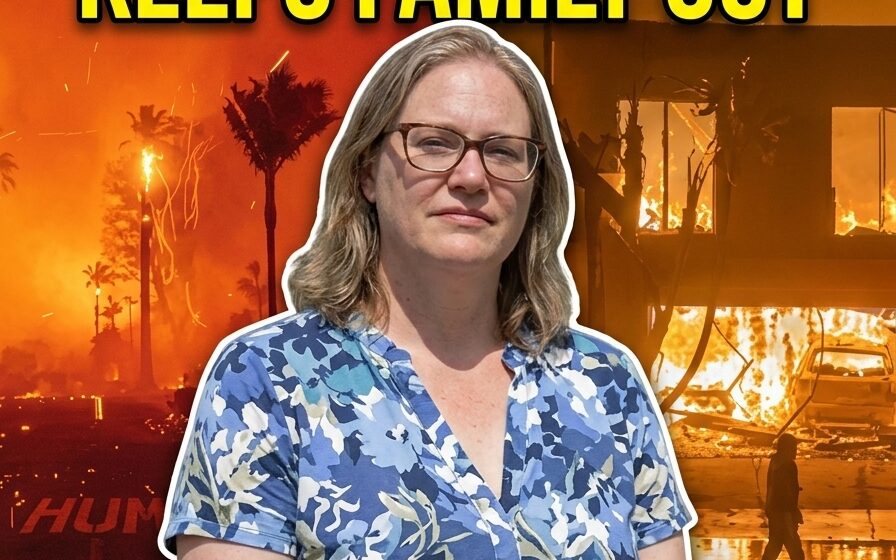

A California mother says her family has been unable to return home for more than a year and a half after the Palisades Fire, as a dispute with her insurer over smoke and contamination damage continues to drag on.
Elissa Ashwood, a Pacific Palisades homeowner, says her family’s house survived the flames but was left unsafe by smoke, ash, soot, and chemical contamination. Although the structure was still standing after the fire, Ashwood argues that the inside of the home was seriously damaged and needs major remediation before her children can safely live there again.
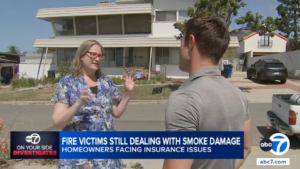
The case has become another example of the complicated insurance battles facing Southern California families after the devastating Palisades and Eaton fires. Many homeowners whose houses did not burn to the ground say they are still fighting insurers over whether smoke damage, toxic residue, odor, and hidden contamination should be covered.
Ashwood’s family home sits on Lachman Lane in Pacific Palisades. According to local reporting, the house was one of the few on the street that remained standing after the Palisades Fire. But Ashwood says that does not mean it is safe.
She has reportedly been in a lengthy dispute with the California FAIR Plan, the state’s insurer of last resort for homeowners who cannot find traditional coverage. A claims examiner reportedly said the main dwelling appeared habitable. However, an assessment commissioned by Ashwood concluded that the home had significant thermal, non-thermal, and chemical contamination from the fire.
Ashwood believes the home needs to be taken down to the studs before it is safe for her family to return. She says she is trying to avoid litigation but feels she should not have to sue her own insurance company to get the home restored.
The New York Post reported that the insurer has issued a final ultimatum, but Ashwood says she will not risk her children’s health by moving back into a home she believes remains contaminated.
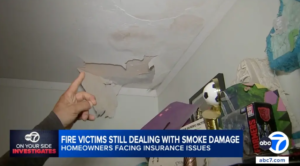
The dispute highlights a major problem in wildfire recovery: homes that look intact from the outside may still be damaged inside. Smoke and ash can enter walls, vents, insulation, furniture, clothing, toys, and air systems. Depending on what burned nearby, residue can contain chemicals that raise health concerns, especially for children, older adults, and people with asthma or other respiratory conditions.
Insurance companies often treat these cases differently from total-loss claims. A home burned to the ground is visibly destroyed. A smoke-damaged home may still have walls, windows, and furniture, making the damage harder to prove and easier to dispute.
That is why many homeowners say they feel trapped. They cannot safely return, but they also cannot fully rebuild or remediate without insurance money. Some families remain in temporary housing, rentals, hotels, or with relatives while their claims move slowly through inspections, estimates, appeals, and legal threats.
The FAIR Plan has said it evaluates every claim on its own merits and pays covered claims up to policy limits, including claims for smoke damage. But California regulators and policyholders have accused the plan of improperly denying or limiting smoke-damage claims in past cases.
The California Department of Insurance previously filed legal action against the FAIR Plan after consumer complaints alleged a pattern of denying smoke-damage claims based on a requirement for “permanent physical damage.” State officials said that standard was arbitrary and inconsistent with consumer protection laws.
The controversy is not limited to the FAIR Plan. State Farm, another major California insurer, has also faced legal action from state regulators over its handling of claims from the Palisades and Eaton fires. Regulators accused the company of delays, underpayments, poor communication, and mishandling of wildfire claims. State Farm has denied wrongdoing and says it reviews claims based on policy terms and the facts of each loss.
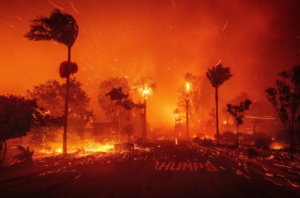
For families like Ashwood’s, the broader legal fight matters, but the immediate problem is personal: they want to know when they can safely go home.
The dispute also comes as a new fire in Boyle Heights recently reminded Los Angeles residents of how dangerous smoke exposure can be. Officials warned residents, especially children and people with health conditions, to limit outdoor activity as smoke spread across parts of the region.
That reminder has made smoke-damage concerns feel urgent again for homeowners still dealing with contamination from earlier fires. For them, the issue is not cosmetic. It is about whether invisible residue inside a home can affect long-term health.
Supporters of wildfire survivors say insurers should pay for thorough testing, cleanup, and remediation when homes are contaminated by smoke and toxic materials. They argue that families should not be forced to choose between returning to unsafe homes or paying massive cleanup costs out of pocket.
Insurers argue that each claim must be evaluated under the specific terms of the policy and based on documented damage. They also say they must distinguish between covered losses and conditions that can be cleaned without full reconstruction.
That disagreement is now at the center of many post-wildfire insurance battles in California.
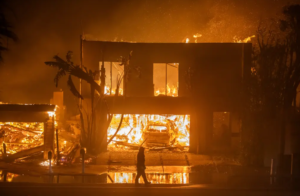
Ashwood’s case has drawn attention because it shows how recovery can remain unfinished long after the flames are gone. A house may still be standing, but a family can still be displaced. A neighborhood may look like it is rebuilding, but many residents may still be stuck in paperwork, testing disputes, and financial uncertainty.
For homeowners, the lesson is clear: after a wildfire, documentation matters. Families should keep records of all damage, testing reports, communication with insurers, photos, videos, receipts, temporary housing costs, and expert assessments. These records can become critical if a claim is disputed.
For California regulators, the growing number of complaints shows the need for stronger oversight of how insurers handle smoke, soot, ash, and contamination claims after major disasters.
For Ashwood, the issue is simpler. She says she wants her family back home, but not until the house is truly safe.
Her story is a reminder that wildfire recovery is not only about rebuilding burned homes. It is also about making sure the homes left standing are safe enough for families to live in again.