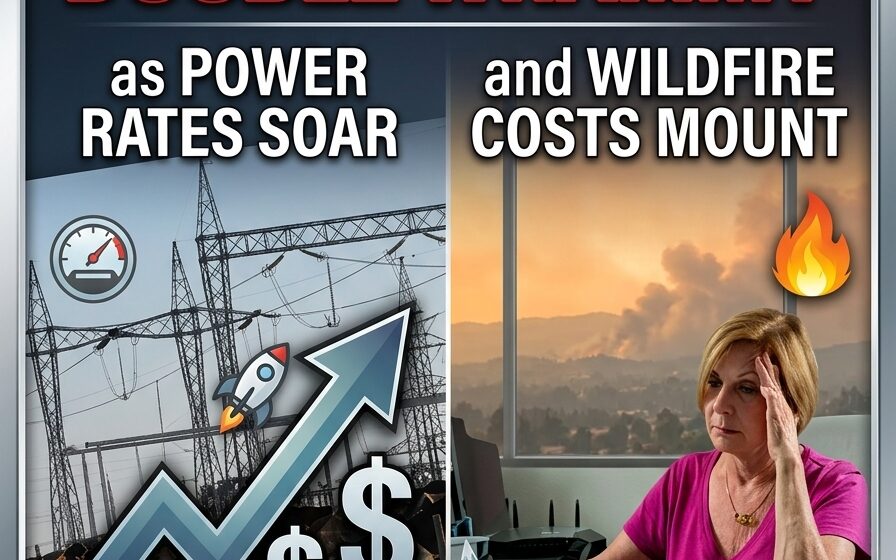

California residents are facing a growing affordability crisis as electricity rates continue to climb while wildfire-related costs place even more pressure on household bills.
The problem has become a painful double whammy for millions of Californians. Families are paying some of the highest electricity rates in the country, and many of the costs tied to wildfire prevention, grid repairs, insurance, and infrastructure upgrades are being passed on through utility bills.

California has long had expensive electricity, but the gap between the state and the rest of the country has widened sharply in recent years. Federal data shows that California residential electricity prices are now far above the national average, making the state one of the most expensive places in America to keep the lights on.
For many households, the issue is not just the price per kilowatt-hour. It is the timing. Summer heat increases air-conditioning use, wildfire season raises public safety concerns, and higher rates make every extra hour of cooling more expensive.
The cost pressure is especially difficult in hotter inland areas, where residents often depend on air conditioning for health and safety. Low-income families, renters, seniors, and people living in older homes can be hit hardest because they may have fewer options to install solar panels, upgrade insulation, or buy more efficient appliances.
State officials and energy experts say there is no single cause behind California’s rising power costs. Several factors are pushing rates higher at the same time.
One major driver is wildfire risk. Utilities have spent heavily on vegetation management, power-line inspections, grid hardening, undergrounding, emergency response, insurance, and liability-related costs. These efforts are intended to reduce the chance of catastrophic fires, but they are extremely expensive.
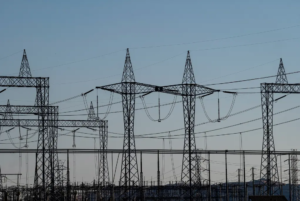
California’s aging electric grid is another factor. Much of the system needs modernization to handle extreme weather, wildfire threats, population growth, electric vehicles, battery storage, and the state’s clean-energy transition. Those investments are often recovered through customer rates over time.
Public policy costs also play a role. Programs for energy efficiency, low-income assistance, rooftop solar, and clean energy are commonly funded through electric rates. Supporters say these programs help the state reduce pollution and protect vulnerable residents. Critics argue that placing too many public costs on utility bills makes electricity less affordable.
Rooftop solar has also created a complicated debate. Customers with solar panels often buy less power from the grid, but the grid’s fixed costs remain. That means households without solar can end up paying a larger share of system costs. Renters and lower-income households are less likely to benefit from rooftop solar, making the issue politically sensitive.
The consequences go beyond monthly bills. High electricity rates can make it harder for California to achieve its climate goals. The state wants more residents to switch from gasoline cars to electric vehicles and from gas appliances to electric appliances. But if electricity becomes too expensive, consumers may hesitate to electrify their homes and transportation.
Small businesses are also feeling the strain. Restaurants, grocery stores, laundromats, farms, and other power-heavy businesses can face large monthly bills that cut into already thin margins. In some areas, electricity costs have become another factor in California’s broader cost-of-living crisis, along with housing, insurance, food, and transportation.
The debate has now become a major political issue. Consumer advocates want stronger oversight of utility spending and more effort to keep rate increases under control. Environmental groups say California must reduce emissions while also making electricity more affordable. Utilities argue they must invest in safety, reliability, wildfire prevention, and grid upgrades.
Lawmakers and regulators are studying several possible solutions. These include shifting some costs away from per-kilowatt-hour rates, increasing fixed monthly charges, using state funds for wildfire-related expenses, improving oversight of utility projects, and restructuring how climate and public programs are paid for.
However, each solution comes with trade-offs. Moving costs from electricity bills to the state budget could lower rates but would require public funding. Fixed charges could reduce the price of each kilowatt-hour but may increase bills for people who use very little electricity. Cutting utility spending could slow needed safety upgrades if not done carefully.
For now, Californians are still waiting for meaningful relief. Electricity remains essential for daily life, especially during extreme heat and wildfire season. But as rates continue to rise, many households are being forced to make difficult choices about cooling, transportation, food, and other basic expenses.
The challenge for California is clear: the state must build a safer, cleaner, and more reliable electric grid without making power unaffordable for the people who depend on it.
Until that balance is found, soaring power rates and wildfire-related costs will remain a costly double whammy for millions of Californians.