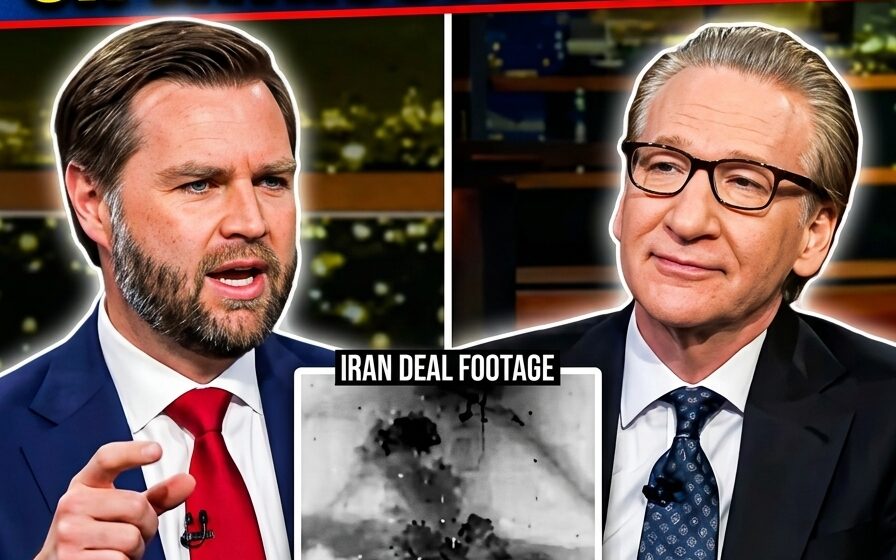

Vice President JD Vance defended the Trump administration’s Iran strategy during a tense but wide-ranging interview with Bill Maher, arguing that the United States is in a strong position whether or not Tehran agrees to a final nuclear deal.
Appearing on HBO’s “Real Time with Bill Maher,” Vance said the administration’s military and diplomatic pressure had already weakened Iran and damaged its nuclear capabilities. His message was simple: even if negotiations fail, America has already gained a strategic advantage.
“If we don’t make the final deal, their nuclear program is still destroyed, they’re still much weaker as a country,” Vance said during the interview. He added that his view is that “America wins either way.”
The comments came as the Trump administration continues to defend its controversial approach to Iran after weeks of conflict, cease-fire efforts, and negotiations. The White House has framed the strategy as a combination of force and diplomacy: weaken Iran militarily, then offer a path toward a broader agreement.
Vance told Maher that the administration’s goal is not only to stop Iran from developing a nuclear weapon, but also to create a chance for a different relationship between Washington and Tehran. He argued that Iran has a choice between continued confrontation and a diplomatic path that could reduce tensions.
Maher pressed Vance on whether the administration’s approach should be trusted, especially after past U.S. presidents made promises about Middle East policy that later failed to deliver lasting peace. The exchange reflected a broader skepticism among many Americans about whether any deal with Iran can be enforced.
The vice president insisted that the United States is negotiating from a position of strength. He said Iran’s military and nuclear position had already been damaged, while American officials were still giving Tehran a chance to accept a deal that would end the conflict and reduce future risks.

The interview also highlighted political tension inside the United States. Some Republicans support Trump’s pressure campaign and believe the administration has forced Iran to the table. Others worry that any deal offering sanctions relief or economic benefits to Tehran could look like a concession.
Critics have argued that Iran cannot be trusted to honor a nuclear agreement. They say Tehran has used negotiations in the past to buy time, rebuild capabilities, and continue supporting armed groups in the region. For those critics, anything short of permanent disarmament and strict inspections may not be enough.
Supporters of the administration argue that the current approach is more realistic. They say military pressure has created leverage, but diplomacy is still needed to prevent a longer war. In their view, a deal that limits Iran’s nuclear ambitions and reduces violence could be a win for U.S. security.
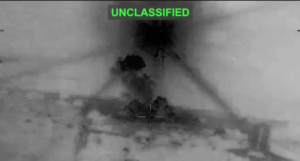
The situation remains fragile. Iran’s willingness to accept inspections, limit nuclear work, and follow cease-fire terms will likely determine whether negotiations move forward or collapse. At the same time, any new violence could quickly shift the debate back toward military action.
Vance also warned that further attacks would be answered with force. His message suggested that the administration wants a deal, but does not want Iran to believe diplomacy means weakness.
The political stakes are high. Iran policy has become one of the most closely watched foreign policy issues of Trump’s second term. A successful agreement could allow the White House to claim it prevented a nuclear threat while avoiding a longer war. A failed agreement could expose Trump and Vance to criticism from both hawks and anti-war voters.
The interview gave Vance a national platform to explain the administration’s argument directly to a skeptical audience. Bill Maher’s show often brings together political opponents and independent-minded viewers, making it a useful venue for Vance to defend a policy that has divided both parties.
For now, the administration’s position is clear: it wants to reach a final agreement with Iran, but it believes the United States has already weakened Tehran enough to claim a strategic win.
Whether voters agree with that argument may depend on what happens next. If Iran follows through on inspections and reduces its nuclear threat, Vance’s “America wins” message could become a major talking point for the White House. If the cease-fire collapses or Iran resumes aggressive action, critics will likely argue that the deal was never strong enough.
The next phase of negotiations will determine whether Vance’s confidence becomes a foreign policy victory or another flashpoint in America’s long and difficult relationship with Iran.