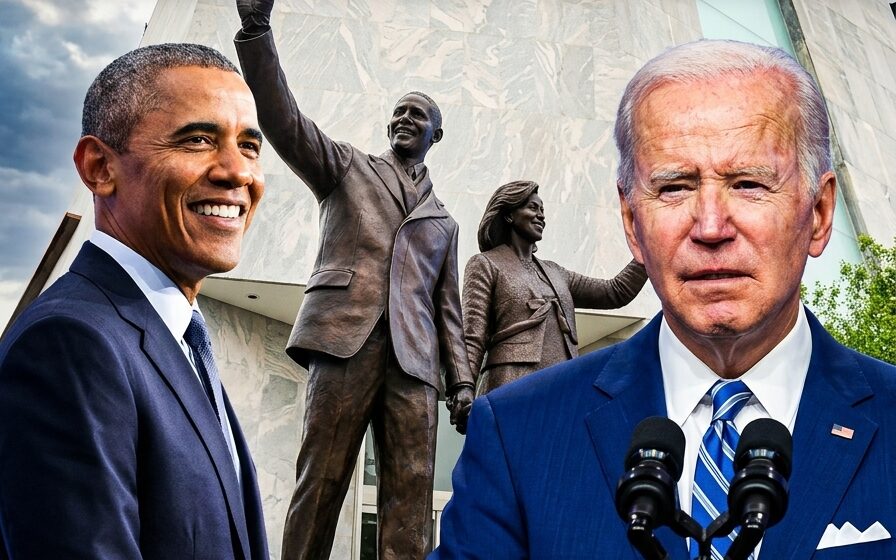

The Democratic Party is facing a renewed debate over its future, its message, and who should lead it into the next phase of American politics.
A new opinion column by New York Post columnist Miranda Devine argues that Democrats are struggling to find a new national leader at a time when progressive and democratic socialist candidates are gaining influence in major urban areas. The column frames the party as being pulled sharply to the left while still relying heavily on former President Barack Obama for political energy and messaging.
The argument reflects a broader conversation already happening inside the Democratic Party. After recent primary victories by candidates aligned with the democratic socialist movement, moderates have grown increasingly concerned that the party’s national image could become harder to sell to swing voters.
At the same time, progressive activists argue that their message is gaining strength because it speaks directly to problems many voters feel every day: high rent, expensive childcare, stagnant wages, healthcare costs, and frustration with establishment politics.
That divide is now shaping Democratic strategy ahead of the next election cycle. Moderate Democrats warn that Republicans will use labels such as “socialist” or “communist” to attack the entire party, even when those labels do not accurately describe most Democratic candidates. Progressives counter that cautious centrism has failed to inspire younger voters and working-class communities.
Former President Barack Obama remains one of the most recognizable figures in the party, and his role has become part of the debate. Although he left office years ago, Obama still draws attention when he speaks, campaigns, or advises Democrats. Some party figures see him as a unifying voice who can remind voters of Democratic achievements and democratic values.
Others argue that relying on Obama shows a deeper leadership problem. They say Democrats need new voices who can communicate clearly on affordability, safety, immigration, technology, housing, climate, and foreign policy in a way that fits the current moment.
Obama himself has suggested that his most useful role is helping identify and support the next generation of leaders. In recent comments and interviews, he has emphasized the need for fresh political talent that can connect with the mood of the country.
That point is important because the Democratic Party is not only facing a messaging problem. It is also facing a generational problem. Many voters, especially younger Americans, want leaders who feel closer to their economic struggles and cultural reality.
Progressive figures such as New York City Mayor Zohran Mamdani have attracted attention by focusing on affordability and city services. Supporters say that message is practical, not extreme. They argue that voters are responding to promises of lower rent, free childcare, better public services, and a government that feels active in daily life.
Moderate Democrats are less convinced. Some worry that left-wing victories in deep-blue districts may not translate to competitive states and suburbs. They fear that Republicans will use the most controversial statements from progressive candidates to define the entire Democratic brand.
That concern is not imaginary. Republican candidates have already begun framing Democratic socialist wins as proof that the party is moving too far left. Conservative commentators have used terms like “communist” to describe the trend, even though democratic socialism and communism are different political ideologies.
The language matters because political labels can shape public perception quickly. A candidate running on rent freezes or expanded childcare may describe the agenda as economic fairness, while opponents may describe the same ideas as radical government control.
This is the challenge Democrats now face. They must decide whether to embrace the energy of their progressive wing, reassure moderate voters, or find a way to do both.
The party’s official message still focuses on lowering costs, improving healthcare, creating jobs, fighting corruption, and protecting democracy. But internal arguments over how to achieve those goals are becoming louder.
Obama’s presence may help bridge some of those divides, but he cannot solve them alone. His popularity with many Democrats gives him influence, yet the party’s future will likely depend on leaders who can build their own coalition, not simply borrow credibility from the past.
The debate also reflects a larger truth about American politics. Both major parties are being reshaped by voter anger, social media, economic pressure, and distrust of institutions. Voters increasingly want leaders who sound urgent and authentic, not cautious and scripted.
For Democrats, the question is whether the next generation of leaders will come from the center, the left, or a new blend of both. The answer may determine whether the party can win back persuadable voters while keeping its activist base engaged.
Miranda Devine’s column presents the issue from a conservative perspective, but the underlying question is real: who speaks for the Democratic Party now?
For now, Obama remains a powerful Democratic symbol, progressive candidates are gaining attention, and moderate leaders are warning against overreach. That combination makes the party’s leadership debate one of the most important political stories heading into the next election cycle.
The Democratic Party does not lack voices. Its problem may be deciding which voice can turn public frustration into a winning national message.